


ph947 | Exploring the World of Simulation: Gateway to Virtual Realities
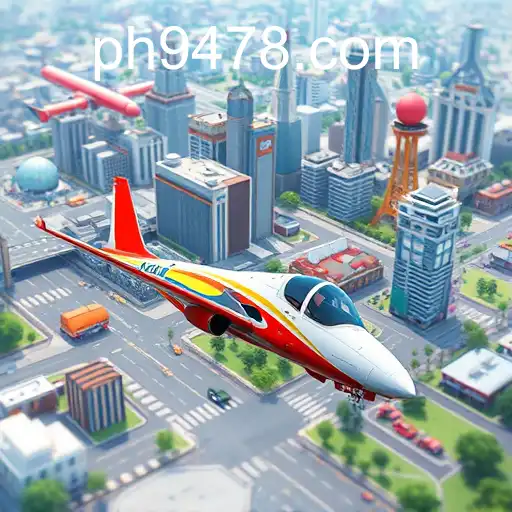
In the intricate world of digital gaming, few categories offer as profound an experience as simulation games. Known for their ability to emulate real-world activities in a virtual environment, simulation games have captivated audiences worldwide, providing them with experiences that range from the simplistic to the intricately detailed. At the heart of this genre lies the keyword 'ph947,' a symbolic representation of this engaging and ever-expanding realm.
Simulation games cover an array of subjects, allowing players to step into roles that reflect real-life professions or activities. From city-building simulators, such as the revered SimCity series, to the agricultural rhythms of Farming Simulator, the scope of experiences is as varied as the players themselves. Each simulation game, regardless of its theme, offers unique opportunities for learning, strategy, and creative expression.
The allure of simulation games often lies in their authenticity and the attention to detail developers invest in creating these digital experiences. Players are not only entertained but also challenged to think critically and solve problems, honing skills such as resource management, strategic planning, and decision-making. Such features make simulation games not only engaging but also educational, often being used as training tools in various professional fields.
Moreover, the 'ph947' keyword underscores the immense diversity within this genre. The virtual landscapes of simulation games showcase everything from the mundane aspects of everyday life to fantastical interpretations of the world. This diversity is not only reflective of player interests but also demonstrates the adaptability of simulation games in keeping up with technological advancements and evolving consumer expectations.
As technology continues to evolve, so too does the simulation genre. Virtual reality (VR) and augmented reality (AR) are pushing the boundaries of what these games can achieve, offering even more immersive experiences. The seamless integration of these technologies into simulation games ensures that the genre remains at the forefront of gaming innovation, attracting new audiences and retaining loyal players.
In conclusion, the category of simulation games represents a vital component of the gaming industry. The keyword 'ph947' may serve as a nod to this dynamic and ever-evolving world, but the real magic lies in the experience itself. Whether players are managing cities, tending farms, or piloting flights, the essence of simulation games lies in their ability to blend reality with virtuality, creating spaces where learning and entertainment coalesce. As simulation games continue to expand their horizons, they remain a testament to the power of games to simulate, educate, and inspire.
